
Norway Salary Benchmark Report 2027
Oil, gas, and shipping still anchor Norway's economy in 2026, but the country's sovereign wealth has also funded a serious push into renewable energy and fisheries technology. Engineers and renewable-energy experts see some of the highest salaries in the region, reflecting both resource-sector wages and steady public investment in workforce training.
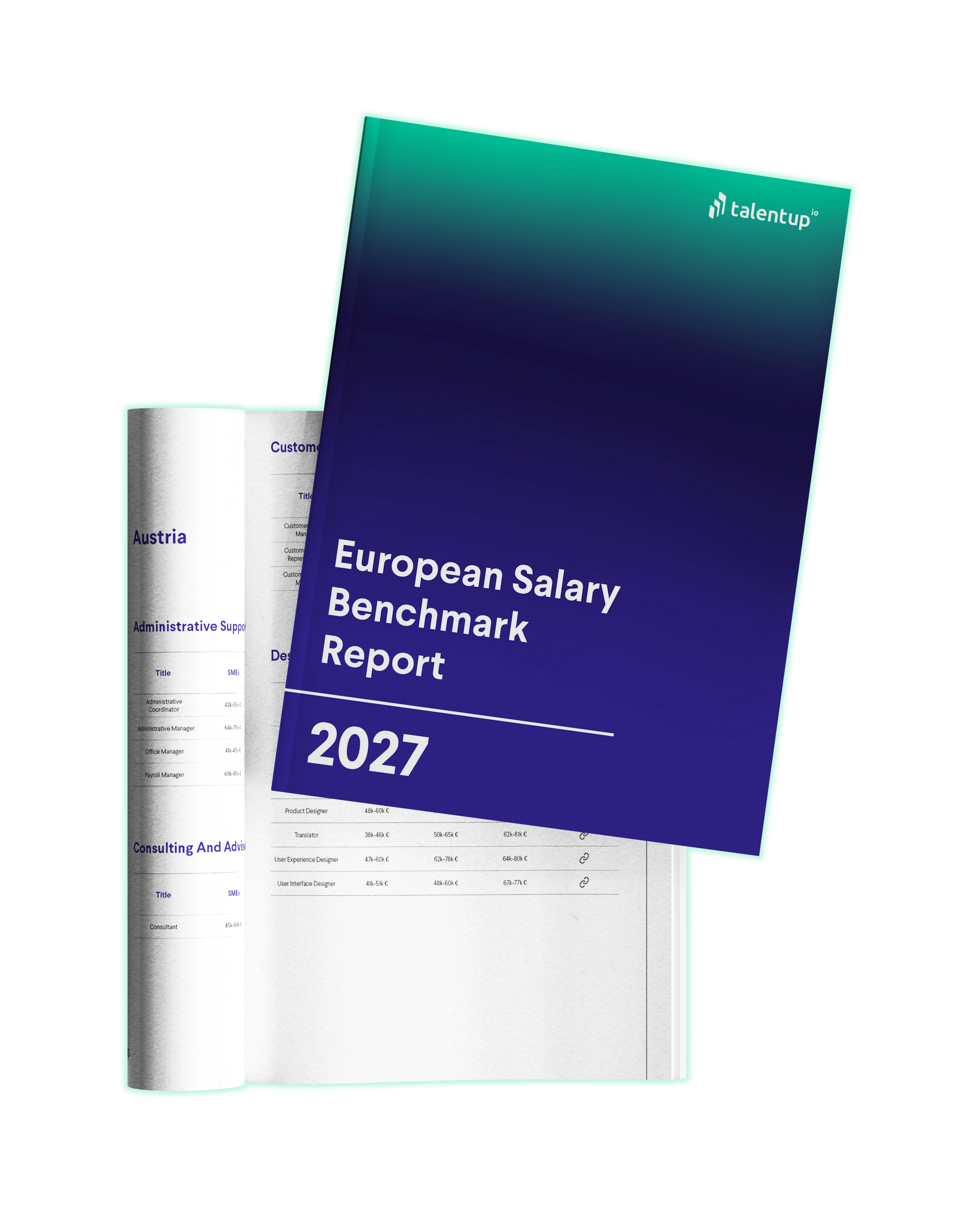
Norway Salary Benchmark by Department
Administrative Support Salary Bands
| Position |
SMEs
SMEs refer to micro, small and medium-sized companies, ranging from very small teams to organizations with up to 250 employees. These companies typically have more limited resources than large organizations and may be in earlier stages of development. As a result, salary bands in SMEs tend to be lower on average, though this varies by sector and maturity. To compensate, SMEs may offer greater flexibility or performance, and equity-based compensation.
|
Startups
Startups are companies in a growth-oriented phase, usually operating in the Information Technology sector. Their funding ranges from $20M to over $100M, indicating strong financial backing and potential for rapid expansion. Salary bands in startups are generally competitive, often including a mix of base salary, bonuses, and stock options to attract and retain talent in a highly competitive market.
|
Corporates
Corporates are large-scale companies with 10,001+ employees. These organizations are well-established and typically have stable revenue streams. Salary bands in corporates tend to be structured and predictable, reflecting seniority levels, formal HR policies, and standardized compensation frameworks.
|
View more
|
|---|---|---|---|---|
| Administrative Coordinator |
538k - 643k NOK (46k - 55k €)
|
573k - 678k NOK (49k - 58k €)
|
585k - 702k NOK (50k - 60k €)
|
View Position |
| Administrative Manager |
1205k - 1310k NOK (103k - 112k €)
|
1298k - 1497k NOK (111k - 128k €)
|
1638k - 1930k NOK (140k - 165k €)
|
View Position |
| Office Administrator |
573k - 655k NOK (49k - 56k €)
|
678k - 748k NOK (58k - 64k €)
|
748k - 819k NOK (64k - 70k €)
|
View Position |
| Office Coordinator |
842k - 900k NOK (72k - 77k €)
|
842k - 900k NOK (72k - 77k €)
|
830k - 900k NOK (71k - 77k €)
|
View Position |
| Payroll Administrator |
725k - 819k NOK (62k - 70k €)
|
842k - 924k NOK (72k - 79k €)
|
912k - 982k NOK (78k - 84k €)
|
View Position |
| Payroll Consultant |
1088k - 1310k NOK (93k - 112k €)
|
1158k - 1322k NOK (99k - 113k €)
|
1099k - 1322k NOK (94k - 113k €)
|
View Position |
| Payroll Manager |
1099k - 1404k NOK (94k - 120k €)
|
1181k - 1474k NOK (101k - 126k €)
|
1251k - 1474k NOK (107k - 126k €)
|
View Position |
Consulting And Advisory Salary Bands
| Position |
SMEs
SMEs refer to micro, small and medium-sized companies, ranging from very small teams to organizations with up to 250 employees. These companies typically have more limited resources than large organizations and may be in earlier stages of development. As a result, salary bands in SMEs tend to be lower on average, though this varies by sector and maturity. To compensate, SMEs may offer greater flexibility or performance, and equity-based compensation.
|
Startups
Startups are companies in a growth-oriented phase, usually operating in the Information Technology sector. Their funding ranges from $20M to over $100M, indicating strong financial backing and potential for rapid expansion. Salary bands in startups are generally competitive, often including a mix of base salary, bonuses, and stock options to attract and retain talent in a highly competitive market.
|
Corporates
Corporates are large-scale companies with 10,001+ employees. These organizations are well-established and typically have stable revenue streams. Salary bands in corporates tend to be structured and predictable, reflecting seniority levels, formal HR policies, and standardized compensation frameworks.
|
View more
|
|---|---|---|---|---|
| Advisor | View Position | |||
| Analyst | View Position | |||
| Consultant | View Position |
Customer Support Salary Bands
| Position |
SMEs
SMEs refer to micro, small and medium-sized companies, ranging from very small teams to organizations with up to 250 employees. These companies typically have more limited resources than large organizations and may be in earlier stages of development. As a result, salary bands in SMEs tend to be lower on average, though this varies by sector and maturity. To compensate, SMEs may offer greater flexibility or performance, and equity-based compensation.
|
Startups
Startups are companies in a growth-oriented phase, usually operating in the Information Technology sector. Their funding ranges from $20M to over $100M, indicating strong financial backing and potential for rapid expansion. Salary bands in startups are generally competitive, often including a mix of base salary, bonuses, and stock options to attract and retain talent in a highly competitive market.
|
Corporates
Corporates are large-scale companies with 10,001+ employees. These organizations are well-established and typically have stable revenue streams. Salary bands in corporates tend to be structured and predictable, reflecting seniority levels, formal HR policies, and standardized compensation frameworks.
|
View more
|
|---|---|---|---|---|
| Customer Service Representative | View Position | |||
| Customer Service Specialist | View Position |
Design, Media, And Writing Salary Bands
| Position |
SMEs
SMEs refer to micro, small and medium-sized companies, ranging from very small teams to organizations with up to 250 employees. These companies typically have more limited resources than large organizations and may be in earlier stages of development. As a result, salary bands in SMEs tend to be lower on average, though this varies by sector and maturity. To compensate, SMEs may offer greater flexibility or performance, and equity-based compensation.
|
Startups
Startups are companies in a growth-oriented phase, usually operating in the Information Technology sector. Their funding ranges from $20M to over $100M, indicating strong financial backing and potential for rapid expansion. Salary bands in startups are generally competitive, often including a mix of base salary, bonuses, and stock options to attract and retain talent in a highly competitive market.
|
Corporates
Corporates are large-scale companies with 10,001+ employees. These organizations are well-established and typically have stable revenue streams. Salary bands in corporates tend to be structured and predictable, reflecting seniority levels, formal HR policies, and standardized compensation frameworks.
|
View more
|
|---|---|---|---|---|
| Design Manager | View Position | |||
| Designer | View Position | |||
| Game Designer | View Position | |||
| Graphic Designer | View Position | |||
| Translator | View Position | |||
| User Experience Designer | View Position | |||
| User Interface Designer | View Position | |||
| Visual Designer | View Position | |||
| Web Designer | View Position |
Engineering And Technical Salary Bands
| Position |
SMEs
SMEs refer to micro, small and medium-sized companies, ranging from very small teams to organizations with up to 250 employees. These companies typically have more limited resources than large organizations and may be in earlier stages of development. As a result, salary bands in SMEs tend to be lower on average, though this varies by sector and maturity. To compensate, SMEs may offer greater flexibility or performance, and equity-based compensation.
|
Startups
Startups are companies in a growth-oriented phase, usually operating in the Information Technology sector. Their funding ranges from $20M to over $100M, indicating strong financial backing and potential for rapid expansion. Salary bands in startups are generally competitive, often including a mix of base salary, bonuses, and stock options to attract and retain talent in a highly competitive market.
|
Corporates
Corporates are large-scale companies with 10,001+ employees. These organizations are well-established and typically have stable revenue streams. Salary bands in corporates tend to be structured and predictable, reflecting seniority levels, formal HR policies, and standardized compensation frameworks.
|
View more
|
|---|---|---|---|---|
| Architect | View Position | |||
| Civil Engineer | View Position | |||
| Electrical Engineer | View Position | |||
| Electronics Engineer | View Position | |||
| Engineer | View Position | |||
| Mechanical Engineer | View Position | |||
| Process Engineer | View Position | |||
| Project Engineer | View Position | |||
| Test Engineer | View Position | |||
| Validation Engineer | View Position |
Finance Salary Bands
| Position |
SMEs
SMEs refer to micro, small and medium-sized companies, ranging from very small teams to organizations with up to 250 employees. These companies typically have more limited resources than large organizations and may be in earlier stages of development. As a result, salary bands in SMEs tend to be lower on average, though this varies by sector and maturity. To compensate, SMEs may offer greater flexibility or performance, and equity-based compensation.
|
Startups
Startups are companies in a growth-oriented phase, usually operating in the Information Technology sector. Their funding ranges from $20M to over $100M, indicating strong financial backing and potential for rapid expansion. Salary bands in startups are generally competitive, often including a mix of base salary, bonuses, and stock options to attract and retain talent in a highly competitive market.
|
Corporates
Corporates are large-scale companies with 10,001+ employees. These organizations are well-established and typically have stable revenue streams. Salary bands in corporates tend to be structured and predictable, reflecting seniority levels, formal HR policies, and standardized compensation frameworks.
|
View more
|
|---|---|---|---|---|
| Accountant | View Position | |||
| Accounting Specialist | View Position | |||
| Claims Manager | View Position | |||
| Finance Analyst | View Position | |||
| Finance Manager | View Position | |||
| Investment Analyst | View Position | |||
| Investment Manager | View Position | |||
| Procurement Manager | View Position | |||
| Procurement Specialist | View Position | |||
| Sustainability Consultant | View Position | |||
| Tax Accountant | View Position | |||
| Tax Analyst | View Position | |||
| Tax Manager | View Position |
Human Resources Salary Bands
| Position |
SMEs
SMEs refer to micro, small and medium-sized companies, ranging from very small teams to organizations with up to 250 employees. These companies typically have more limited resources than large organizations and may be in earlier stages of development. As a result, salary bands in SMEs tend to be lower on average, though this varies by sector and maturity. To compensate, SMEs may offer greater flexibility or performance, and equity-based compensation.
|
Startups
Startups are companies in a growth-oriented phase, usually operating in the Information Technology sector. Their funding ranges from $20M to over $100M, indicating strong financial backing and potential for rapid expansion. Salary bands in startups are generally competitive, often including a mix of base salary, bonuses, and stock options to attract and retain talent in a highly competitive market.
|
Corporates
Corporates are large-scale companies with 10,001+ employees. These organizations are well-established and typically have stable revenue streams. Salary bands in corporates tend to be structured and predictable, reflecting seniority levels, formal HR policies, and standardized compensation frameworks.
|
View more
|
|---|---|---|---|---|
| Benefits Administrator | View Position | |||
| Benefits Advisor | View Position | |||
| Human Resources Business Partner | View Position | |||
| Human Resources Generalist | View Position | |||
| Human Resources Manager | View Position | |||
| Human Resources Specialist | View Position |
Frequently Asked Questions
Common questions about the Norway salary data.
TalentUp benchmarks 114 roles in Norway across 12 departments, each one split between SMEs, Startups and Corporates.

Unlock the full European Salary Benchmark Report 2027!
You’re viewing a limited version of the report. Log in to reveal all benchmarks across 110+ positions, 12 departments and 25 countries.