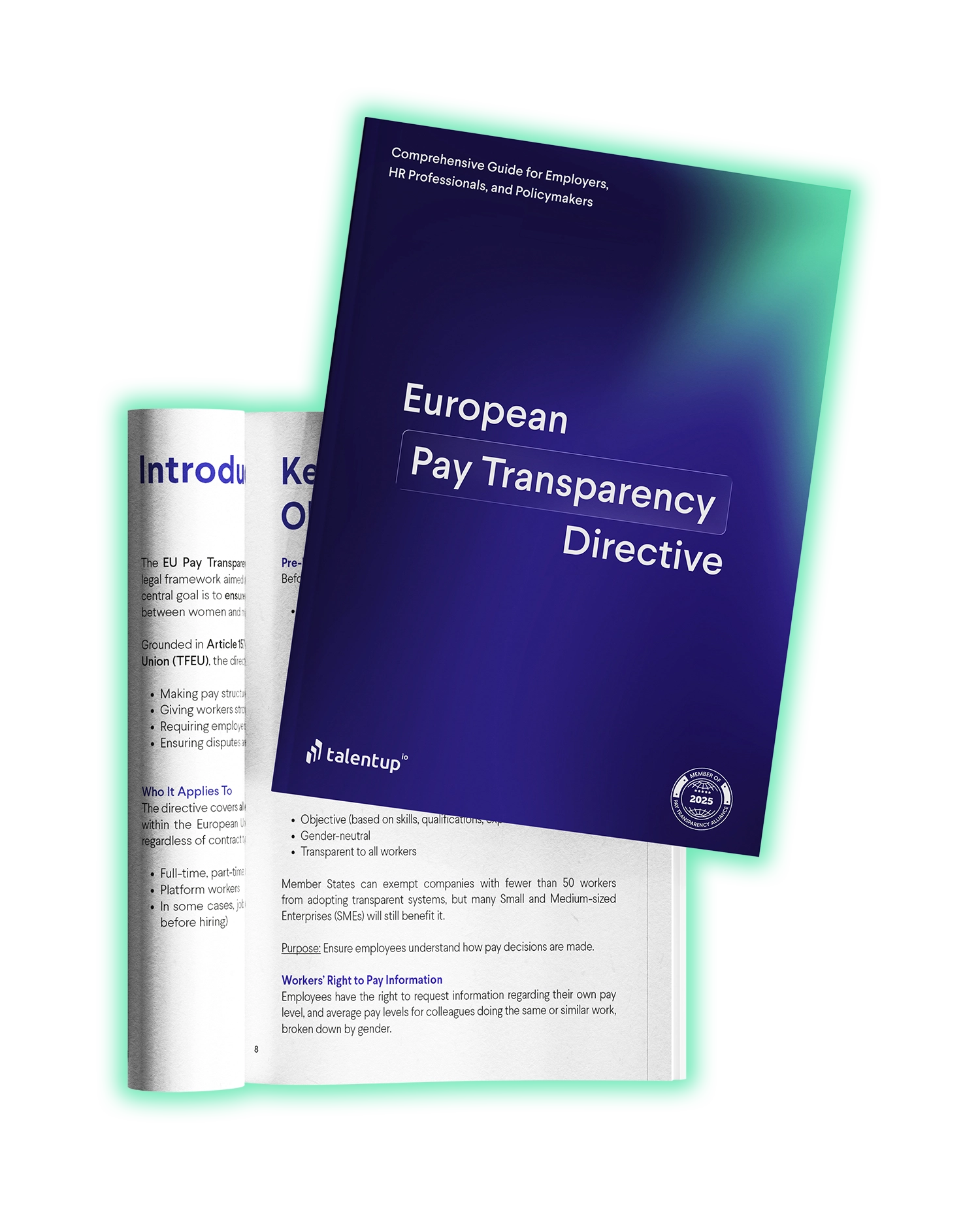
Introduction to the EU Pay Transparency Directive
The EU Pay Transparency Directive is one of the most significant legislative measures to promote workplace fairness recently. It’s designed to tackle the gender pay gap, which continues to persist across European Union member states. For HR teams, this directive isn’t just another compliance exercise—it’s a chance to reshape workplace equity, foster transparency, and strengthen employee trust.
As the directive moves closer to full implementation, HR professionals must take proactive steps. Waiting until the last minute could lead to rushed changes, compliance risks, and reputational damage. By preparing early, HR leaders can meet legal obligations and use this directive as a competitive advantage.
Why the EU Pay Transparency Directive Matters for HR Leaders
HR teams are at the front lines of compliance. They manage employee compensation, recruitment, performance evaluations, and cultural change—all of which the directive will directly influence. Failure to act could mean heavy penalties, public reporting of pay gaps, and loss of employee confidence.
But beyond compliance, this directive is about trust and fairness. Companies that embrace transparency early will likely attract top talent, boost retention, and enhance their employer brand. In an era where employees increasingly demand equity and accountability, HR leaders cannot afford to ignore these changes.
Key Provisions of the EU Pay Transparency Directive
Pay Transparency and Salary Ranges
Employers will be required to share salary ranges with job candidates and employees. This means HR teams must revise job postings, career progression guidelines, and internal salary bands.
Pay Gap Reporting Requirements
Organizations with over a certain number of employees will need to regularly report gender pay gaps. This requires robust data tracking systems and consistent monitoring of wage differences.
Equal Pay for Equal Work Standards
The directive reinforces the principle of equal pay for equal work or work of equal value. HR must ensure that job evaluation frameworks are consistent and unbiased.
Enforcement and Penalties
Non-compliance may result in fines, reputational damage, or mandatory corrective measures. HR teams should take these potential risks seriously.
Challenges HR Teams May Face
Resistance to Cultural Change
In organizations accustomed to secrecy about pay, transparency can create discomfort. HR must navigate employee concerns while fostering a culture of openness.
Data Collection and Reporting Complexity
Gathering, analyzing, and reporting accurate pay data across departments, locations, and job families will be a significant administrative challenge.
Budget and Compensation Adjustments
Identifying and addressing pay gaps might require budget reallocations or salary increases, which can strain company finances.
Practical Steps HR Teams Can Take Now
Conducting a Pay Equity Audit
HR leaders should start by analyzing current pay structures. A pay equity audit highlights disparities and allows companies to address issues before they become compliance violations. For a practical step-by-step methodology, the guide on how to run a pay equity audit before your first EU reporting window covers data collection, gap calculation, regression analysis, and remediation in full.
Implementing Transparent Pay Structures
Clear salary bands and progression frameworks help prevent unconscious bias and foster employee confidence in the fairness of compensation.
Investing in HR Technology and Analytics
Modern HR tools can automate pay reporting, track pay gaps, and ensure compliance. Investing in analytics will make ongoing monitoring easier.
Training Managers and Leaders
Managers need to communicate pay policies effectively and handle employee questions confidently. Training ensures consistent messaging and fairness.
Strengthening Employee Communication
Proactive communication is key. HR should clearly explain changes, benefits, and company commitments to fair pay practices.
Best Practices for Compliance and Beyond
Collaborating with Legal and Compliance Experts
While HR teams lead the operational side, legal experts play a crucial role in ensuring compliance. HR should work closely with legal advisors to interpret the directive’s requirements, align with local labor laws, and minimize risks. This partnership ensures that all policies, contracts, and compensation frameworks meet EU standards.
Leveraging Benchmarking and Market Data
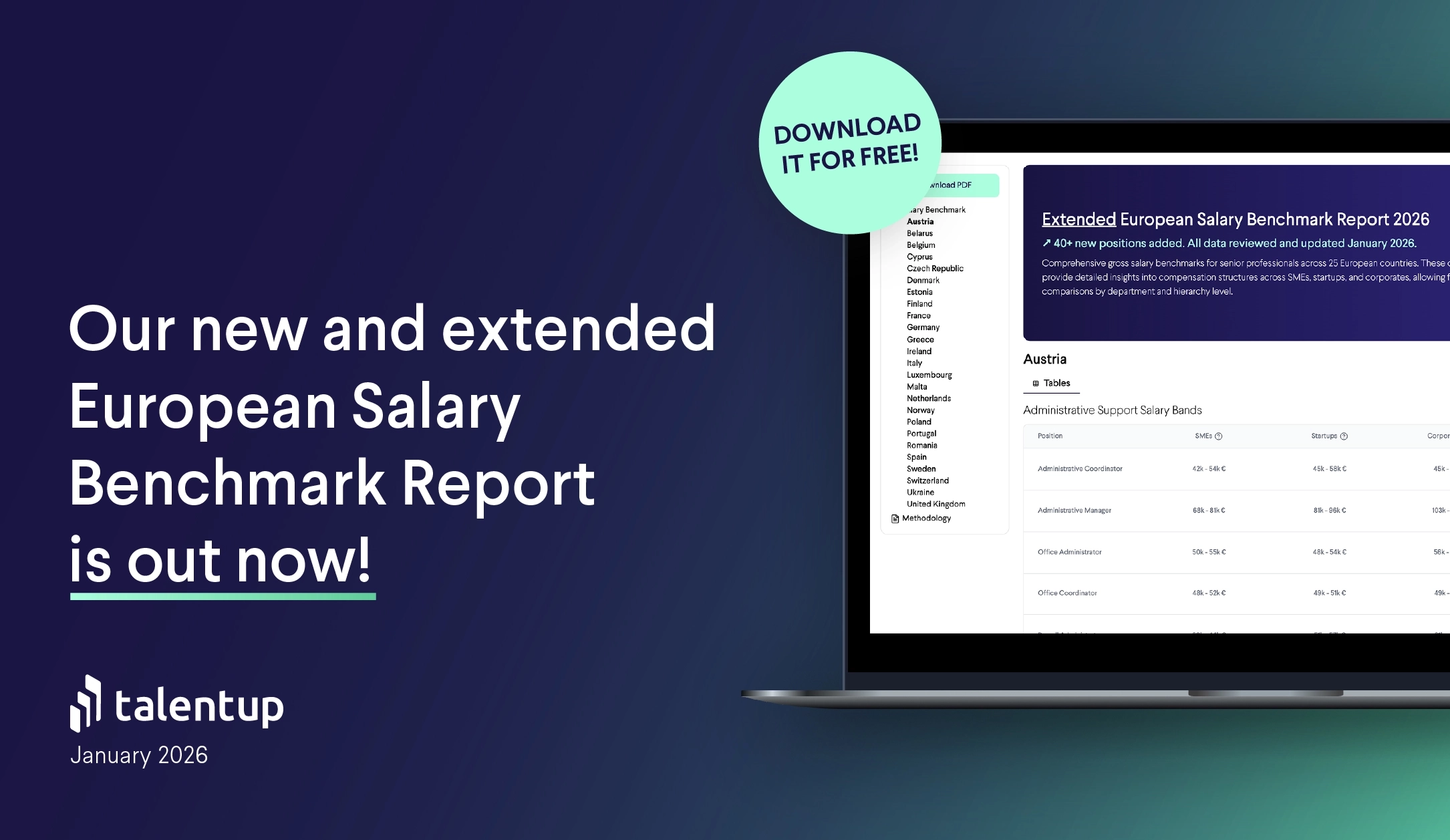
Benchmarking salaries against industry standards helps HR validate compensation decisions. By integrating external market data, HR teams can demonstrate fairness and competitiveness while reducing exposure to pay discrimination claims.
Embedding Fair Pay into Company Culture
Compliance is not a one-off project—it requires a cultural shift. Embedding fair pay into performance evaluations, promotions, and hiring processes ensures that transparency becomes part of the company’s DNA. HR should promote open dialogue and include employees in shaping policies.
Benefits of Early Preparation
Boosting Employer Brand and Talent Attraction
Companies that are early adopters of transparent pay practices stand out in competitive talent markets. Today’s candidates value organizations that prioritize fairness and equality. Publicly demonstrating compliance can strengthen the employer brand and help recruit diverse talent pools.
Reducing Legal and Financial Risks
By addressing pay gaps early, HR teams minimize the risk of penalties and avoid last-minute adjustments that could destabilize budgets. Proactive compliance reduces the likelihood of legal disputes, saving the organization time and resources.

Increasing Employee Trust and Engagement
Transparency fosters trust. When employees understand how salaries are determined and see evidence of fair practices, engagement and retention rise. A workforce that believes in leadership’s commitment to equality is more motivated and productive.
Timeline and Key Deadlines for Implementation
Directive Adoption Across EU Member States
The EU Pay Transparency Directive sets a framework, but each member state will integrate it into national legislation within a specific timeline. HR leaders must monitor local updates to stay aligned with evolving requirements.
Milestones for HR Leaders to Track
By tracking milestones, HR teams can plan audits, adjust budgets, and roll out communication strategies well in advance.
Case Studies: Companies Leading the Way
Early Adopters of Pay Transparency Policies
Several multinational organizations—such as IKEA, Salesforce, and Accenture—have already embraced pay transparency initiatives. Their experience shows that transparency doesn’t weaken competitiveness; instead, it strengthens employee loyalty and public reputation.
Lessons Learned from Implementation
Frequently Asked Questions (FAQs)
1. What is the EU Pay Transparency Directive?
It’s an EU law designed to reduce the gender pay gap by requiring companies to share salary ranges, report pay gaps, and ensure equal pay for equal work.
2. When will HR teams need to comply with the directive?
Implementation varies by member state, but most large companies will need to comply between 2026–2027, with smaller companies following afterward.
3. Which companies are affected?
All companies operating in the EU must comply, though reporting thresholds may vary depending on company size.
4. What penalties exist for non-compliance?
Penalties may include fines, mandatory corrective measures, and public disclosure of pay disparities, which can damage employer reputation.
5. How can HR teams prepare effectively?
Steps include conducting pay equity audits, setting clear salary bands, investing in HR technology, and training managers on communication.
6. Will pay transparency affect employee morale?
Yes—but positively if implemented well. Transparency fosters trust, reduces speculation, and increases employee engagement. Poor communication, however, can create confusion or dissatisfaction.
Building a Future of Fair Pay
The EU Pay Transparency Directive represents more than just a legal requirement—it’s a milestone in building fair, inclusive, and future-ready workplaces. HR teams that act now will be better positioned to handle compliance, reduce risks, and create stronger employer brands.
By conducting pay audits, adopting transparent structures, leveraging technology, and embedding equity into company culture, HR leaders can transform the directive into a strategic advantage. The sooner organizations act, the smoother the transition will be—and the greater the rewards in employee trust, engagement, and long-term competitiveness.
Further reading: How to Build a Compensation Philosophy That Is Pay Transparency Directive Ready and 2 Out of 27: The EU Pay Transparency Directive Deadline Is Here and Most Member States Are Not Ready.
Sources
The EU Pay Transparency Directive represents the most significant shift in European compensation governance in decades. By requiring employers to disclose salary ranges in job postings, provide pay information upon request, and report gender pay gap data, it fundamentally changes the relationship between employers and employees around compensation. HR and legal teams across the EU are now racing to build the internal data infrastructure, policy frameworks, and communication strategies needed to meet the 2026 transposition deadline and avoid the reputational and financial penalties that non-compliance carries.
Pay transparency is not just a compliance requirement — it is a talent strategy. Research consistently shows that candidates, particularly younger workers and senior professionals, prefer employers who are upfront about compensation. Transparent salary ranges reduce negotiation friction, shorten time-to-offer, and signal that an organisation has confidence in the fairness of its pay structure. Companies that have proactively adopted pay transparency ahead of regulatory mandates report stronger employer brand metrics and measurably faster hiring outcomes in competitive talent markets.
Implementing pay transparency effectively requires more than publishing salary ranges. It demands that those ranges are defensible, internally consistent, and grounded in current market data. Organisations with wide, overlapping bands or ranges that don’t reflect actual offer patterns will face difficult conversations when employees begin comparing pay information, as the Directive’s individual right-to-information provisions will enable them to do. The transparency process is therefore also a compensation audit — surfacing inconsistencies that need to be resolved before they become employee relations issues.