In today’s fast-paced business landscape, the connection between performance and pay is critical to driving organizational success. HR leaders must craft compensation strategies that not only reward employees fairly but also inspire sustained high performance. When designed thoughtfully, performance-based pay systems can boost engagement, improve productivity, and reduce turnover. This article provides practical guidance on building effective pay-for-performance programs, highlights common challenges to avoid, and explores how bonuses, commissions, and incentives can be leveraged to deliver measurable results.
Designing Performance-Based Pay Systems That Motivate Employees
A well-structured performance-based pay system directly links compensation to clear, measurable outcomes—whether individual, team, or company-wide. Start by defining objective performance criteria that align closely with your organization’s strategic goals. These criteria must be transparent and achievable to maintain employee trust and motivation.
Equally important is fairness: employees need to understand how their efforts impact their compensation. Clear communication of expectations and regular feedback help keep performance aligned with pay outcomes. Additionally, balancing fixed salary with variable components like bonuses or commissions provides both stability and incentive, allowing you to tailor the pay mix to your industry and workforce.
Common Pitfalls of Pay-for-Performance Models and How to Avoid Them
Pay-for-performance can falter when systems are built on unclear or subjective performance measures. This often breeds perceptions of bias and undermines employee confidence. Setting unrealistic or poorly defined targets is another frequent issue—overly ambitious goals can demotivate, while too-easy targets dilute incentive power.
Focusing narrowly on short-term metrics can also backfire, encouraging behaviors that harm long-term business health. For example, emphasizing quick sales without regard to customer satisfaction or compliance can create costly risks.
To mitigate these risks, establish balanced, objective performance metrics that combine quantitative results with qualitative factors. Engage employees and managers in goal-setting to foster ownership and ensure targets are realistic. Regularly review and adjust your system to address emerging challenges and maintain alignment with business priorities.
Using Bonuses, Commissions, and Incentives to Drive Results
Bonuses, commissions, and incentives are essential levers in linking performance and pay. Bonuses can reward both individual achievements and team or company milestones, offering flexibility to recognize a range of successes.
Commissions are particularly effective in sales roles, rewarding employees directly for revenue generated. To maximize motivation, commission plans should be transparent, aligned with broader business objectives, and structured fairly—not just focused on volume.
Beyond financial rewards, consider non-monetary incentives like profit-sharing, stock options, additional time off, or professional development opportunities. These can be powerful motivators, especially for employees who value growth and recognition.
Transparent communication about how incentives work, coupled with public celebration of achievements, reinforces the link between performance and pay and sustains employee engagement over time.
How TalentUp Salary Benchmarking Platform Enhances Performance and Pay Strategies
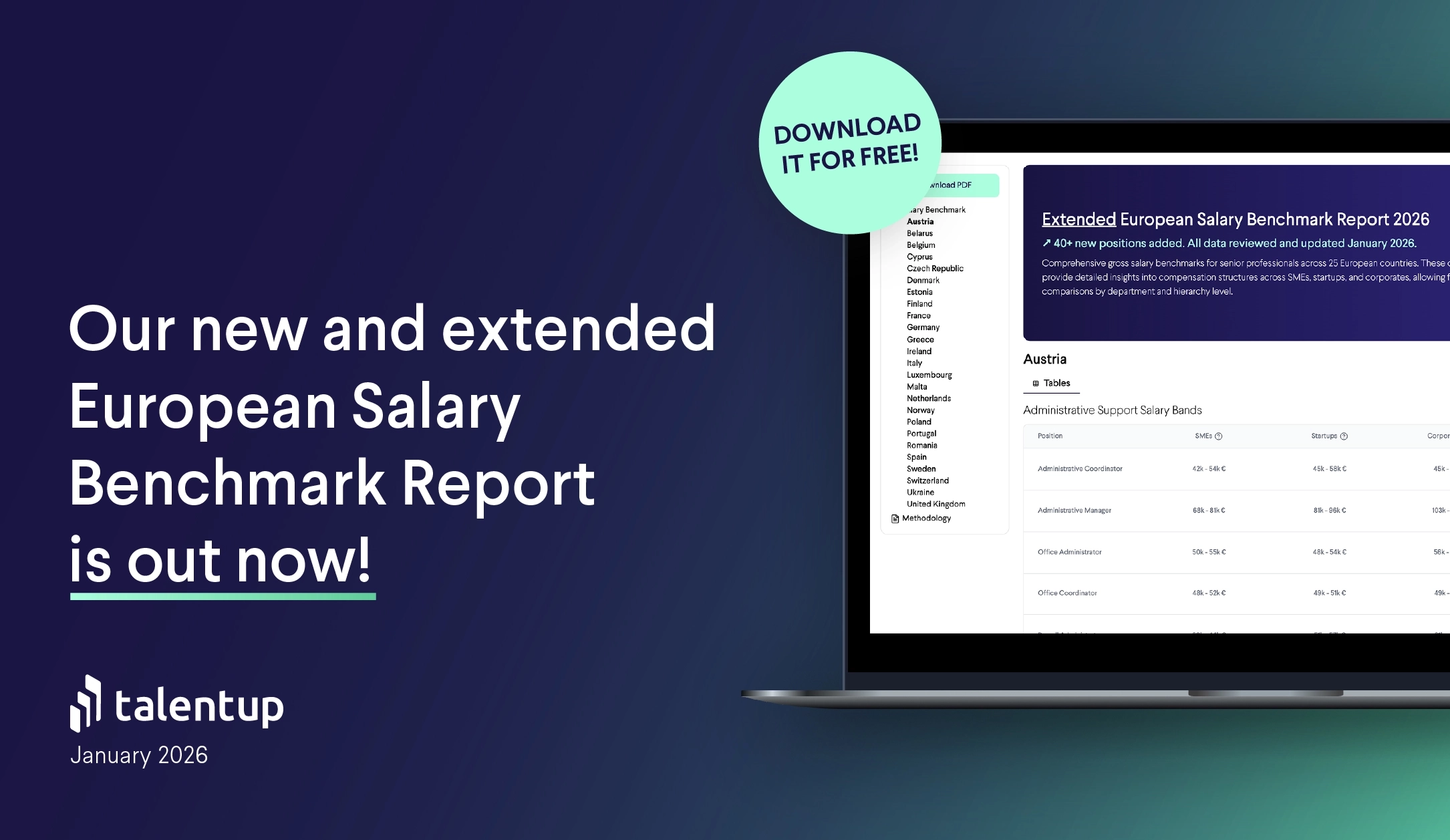
To implement an effective performance-based pay system, accurate and up-to-date salary data is essential. The TalentUp Salary Benchmarking Platform empowers HR professionals by providing comprehensive market salary insights tailored to various roles, industries, and regions. Using TalentUp, you can set competitive salary ranges that reflect real market conditions, ensuring your pay strategies attract and retain top talent while supporting fair performance-linked compensation.
With TalentUp’s detailed analytics, HR teams can align compensation packages with organizational goals, identify pay gaps, and adjust incentives strategically. This data-driven approach strengthens the link between performance and pay, making compensation decisions more transparent, equitable, and motivating for employees. For any HR professional aiming to refine their compensation strategy, integrating TalentUp into your process is a practical step toward smarter, fairer pay management.

Practical Checklist for HR Professionals: Implementing Performance-Based Pay
Further reading: How to Prioritize Salary Budget When You Can Only Increase Pay by 3%: Powerful Strategies for Smart Compensation Planning and Performance Review: The Ultimate Guide to Fair Compensation and Employee Growth.
Ready to benchmark salaries with real European market data? The TalentUp Salary Platform gives HR and C&B professionals instant access to salary benchmarks across roles, seniority levels, and countries.