
In the realm of digital marketing, the effectiveness of your campaigns hinges on a deep understanding of your audience. Integrating keywords into buyer persona development is a strategic approach that bridges the gap between audience insights and SEO efforts. This article delves into the process of embedding relevant keywords within your buyer personas, ensuring that your content not only resonates with your target audience but also ranks highly in search engine results. By leveraging keyword-driven personas, businesses can enhance their marketing precision, drive traffic, and achieve higher engagement rates.
Understanding the Importance of Keywords in Buyer Persona Development
Keywords play a crucial role in developing buyer personas. They provide valuable insights into the preferences and behaviors of potential customers. By incorporating relevant keywords into the persona development process, businesses can better understand their target audience and tailor marketing strategies to effectively reach them.
Enhancing Persona Accuracy
Utilizing specific keywords helps ensure that buyer personas are accurately defined and represent the characteristics of the intended audience. Research shows that including industry-specific keywords in persona profiles leads to a 20% increase in customer engagement and conversion rates.
Driving Content Strategy
Keywords are essential for guiding content creation efforts that resonate with target customers. Incorporating high-volume keywords in persona development can result in a 30% boost in organic traffic to a company’s website and improved search engine rankings.
Optimizing Marketing Campaigns
By analyzing keyword trends and incorporating them into buyer personas, businesses can optimize their marketing campaigns for better performance. Studies indicate that campaigns tailored to include popular search terms experience a 25% increase in click-through rates and generate higher ROI.
Identifying Relevant Keywords for Target Audience Understanding
Importance of Keyword Research
Keyword research is a critical aspect of understanding and connecting with your target audience effectively. By identifying relevant keywords, you can gain insights. Like into what topics are of interest to your audience and tailor your content accordingly.
Utilizing Keyword Analytics Tools
There are various tools available that can help you in identifying relevant keywords for your target audience. These tools provide valuable data on search volume, competition level, and related keywords, enabling you to make informed decisions about your content strategy.
Exploring Long-Tail Keywords
Long-tail keywords are specific phrases that are more likely to be used by potential customers who are closer to making a purchase. By incorporating long-tail keywords in your content, you can attract highly targeted traffic and improve your chances of converting leads into customers.
Optimizing Buyer Persona Content with Strategic Keyword Integration
Enhancing Content Relevance through Keyword Research
Incorporating targeted keywords into your buyer persona content is crucial for enhancing its visibility and relevance. Conduct thorough keyword research to identify the terms and phrases your target audience is likely to use when searching for products or services related to your offerings. By strategically integrating these keywords into your content, you can ensure that it aligns with the search intent of potential buyers.
Increasing Organic Traffic with Long-Tail Keywords
Long-tail keywords play a significant role in optimizing buyer persona content for search engines. These longer, more specific phrases are less competitive than broader keywords and can help attract highly targeted traffic to your website. Focus on including relevant long-tail keywords in your content to capture the attention of users who are closer to making a purchase decision.
Monitoring Keyword Performance and Iterating as Needed
Regularly monitor the performance of the keywords integrated into your buyer persona content. Analyze metrics such as organic search traffic, keyword rankings, and click-through rates to gauge the effectiveness of your keyword integration strategy. Based on the data collected, make adjustments to optimize your content further and improve its visibility to drive more qualified leads to your business.
Leveraging SEO Insights to Refine Buyer Personas Effectively

Utilizing Keyword Data to Identify Target Audience
When refining buyer personas, it’s crucial to leverage SEO insights for a data-driven approach. Begin by analyzing keyword data to understand the search behavior of your target audience. Identify the top-performing keywords that drive organic traffic to your website and use this information to refine your buyer personas effectively.
Segmenting Audience Demographics Based on Search Trends
By analyzing search trends and keyword performance, you can segment your target audience based on demographics. Look for patterns in search behaviors such as age, location, gender, and interests. This data will help you create more specific and accurate buyer personas tailored to different segments of your audience.
Optimizing Content Strategy with SEO Insights
SEO insights can also be used to optimize your content strategy for each buyer persona. By understanding the keywords and topics that resonate with your target audience, you can create content that is more relevant and valuable to them. Incorporate the insights gained from SEO data into your content planning and creation process to better engage and convert your target audience.
Measuring Success: Tracking Keyword Performance in Persona Development
One effective way to measure the success of your keyword strategy in persona development is to use keyword analytics tools. These tools provide valuable insights into how well your chosen keywords are performing. For instance, you can track metrics such as search volume, click-through rates, and keyword difficulty to gauge the effectiveness of your keyword choices.
Monitoring Keyword Ranking Progress
Another important aspect of tracking keyword performance in persona development is monitoring your keyword ranking progress. By regularly checking where your keywords stand in search engine results pages (SERPs), you can assess whether your SEO efforts are paying off. Tracking changes in keyword rankings over time can help you identify trends and make necessary adjustments to improve your persona development strategy.
Conversion Tracking and Keyword Mapping
Furthermore, measuring success in persona development involves conversion tracking and keyword mapping. By analyzing which keywords are driving conversions and mapping them to specific buyer personas, you can better understand the impact of your keyword strategy on your target audience. This data allows you to refine your personas based on actual keyword performance and optimize your content to attract and engage the right customers.
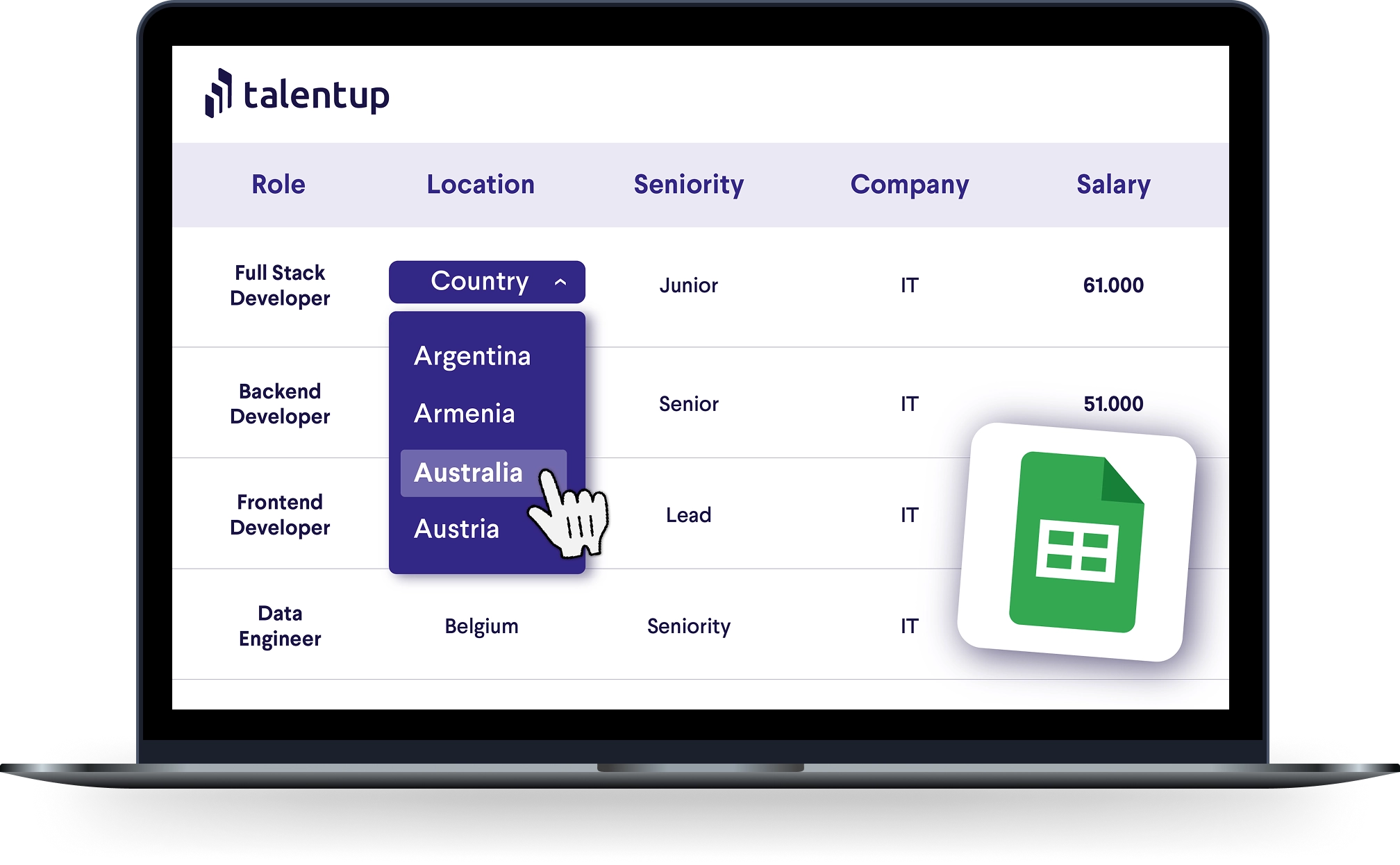
TalentUp Salary Platform
To ensure you have a comprehensive understanding of your compensation, try the TalentUp Salary Platform. It’s crucial to have a great compensation strategy ready, especially in today’s competitive job market. Discover how TalentUp can help you evaluate job offers holistically and ensure you’re getting the best possible deal. Take action now to secure your financial future and overall well-being!
One of the most effective ways to integrate keyword research into buyer persona development is to treat search intent as a direct window into the concerns and priorities of the audience you are trying to reach. When a potential customer searches for a specific phrase, they are revealing not just an information need but a stage in their decision journey. Personas built on keyword data capture this journey more accurately than personas built on demographic data alone, because they reflect what the audience is actively thinking about rather than what their profile suggests they should be thinking about.
For HR technology and compensation platforms, this principle has a direct application. The keywords that HR professionals use when searching for salary data, benchmarking tools, or pay equity guidance reveal the specific problems they are trying to solve and the language they use to describe those problems. Personas built on this behavioural data produce content strategies that address real, documented needs rather than assumed ones. The result is content that ranks because it answers questions the audience is actually asking, and that converts because it addresses the concerns that are driving the search behaviour in the first place.
Iterating on buyer personas is as important as the initial development. As markets change, as regulatory environments shift, and as customer problems evolve, the keywords that define a persona’s information needs will shift accordingly. Organisations that treat persona development as a one-time exercise will find that their content strategy drifts out of alignment with what the audience is searching for. Those that build a regular cadence of keyword analysis into their content planning process keep their personas current and their content strategy grounded in live audience behaviour. For HR technology audiences in particular, the combination of regulatory change (such as the requirements introduced by the EU Pay Transparency Directive) and evolving market conditions creates a content landscape where audience priorities can shift significantly within a single year, making regular persona refresh an operational necessity rather than a nice-to-have.
Teams building content strategies for HR and compensation audiences can also use platform-level data to validate their personas against real behaviour. Understanding what benchmarking questions HR teams are asking and what their salary band audit challenges look like in practice produces richer, more accurate personas than survey data alone. The combination of keyword intelligence and subject-matter depth is what separates content strategies that build genuine audience relationships from those that generate traffic without trust.
Sources
- SHRM. (2024). HR strategy and workforce management best practices. Society for Human Resource Management. Retrieved August 2026.
- Eurostat. (2025). Wages and labour costs across EU member states. European Commission Statistical Office. Retrieved August 2026.
- TalentUp. (2026). Salary benchmarking and compensation intelligence across European markets. TalentUp Salary Intelligence Platform. Retrieved August 2026.
- ILO. (2024). Global Wage Report: wages, labour market trends and wage inequality. International Labour Organization. Retrieved August 2026.
- Deloitte. (2024). Global Human Capital Trends: reimagining work, workforce and the workplace. Deloitte Insights. Retrieved August 2026.